


Q&A for the International Day of Radiology
Radiology Q&A with Dr Dimitris Angelidakis PgCertImg (WBIS) MRCVS

To celebrate it being the International Day of Radiology, we sat down with Dr Dimitris Angelidakis (who holds a certificate in imaging) to do a Q&A, finding out more about imaging and his passion for the subject.
Q) What inspired you to study for your imaging certificate?
A) My passion for accurate diagnosis.
Q) What are the main types of imaging technology you use, and to assist the diagnosis of which conditions?
A) I use ultrasonography on a daily basis as it’s often possible to perform without anaesthesia or sedation, opposed to radiography. Ultrasound has been an extremely useful tool to assist the diagnosis of multiple conditions, including:
- Heart disease
- Pleural space disease
- Lung disease
- Liver disease
- Splenic disease
- Kidney disease
- Adrenal disease
- Gastrointestinal disease
I often use radiography too, which is sometimes used in conjunction with ultrasound on the diseases mentioned above but tends to be my first line imaging for lung disease, appendicular skeleton disease and axial skeleton disease.
Q) What’s the most interesting observation you’ve made through imaging?
A) That’s a very hard question to answer, as I’ve seen many interesting things. I will probably go with an adrenal mass in a cat that had invaded the caudal vena cava and formed a clot. I recently found a mass on the base of the heart too that was between the great vessels, and you could see a bend in the vena cava and aorta due to the mass. I also observed a cat with a ruptured ureter, which was a very interesting case.
Q) How does contrast work and why is this necessary?
A) Contrast is necessary for CT studies. It highlights vasculatures and can give important information when trying to understand the behaviour of a lesion. Nowadays, with the use of ultrasonography, radiographic contrast studies are not used as often as they used to, due to the need for multiple radiographs usually, plus the risks involved with using them.
Q) What guidance do you give pet owners pre and post-imaging procedures?
A) No food, but water is fine. Even if anaesthetics are not going to be used, having a stomach full of food will greatly obscure what we can see on the ultrasound. On the other hand, water creates a nice contrast in the stomach, allowing for better assessment.
More news
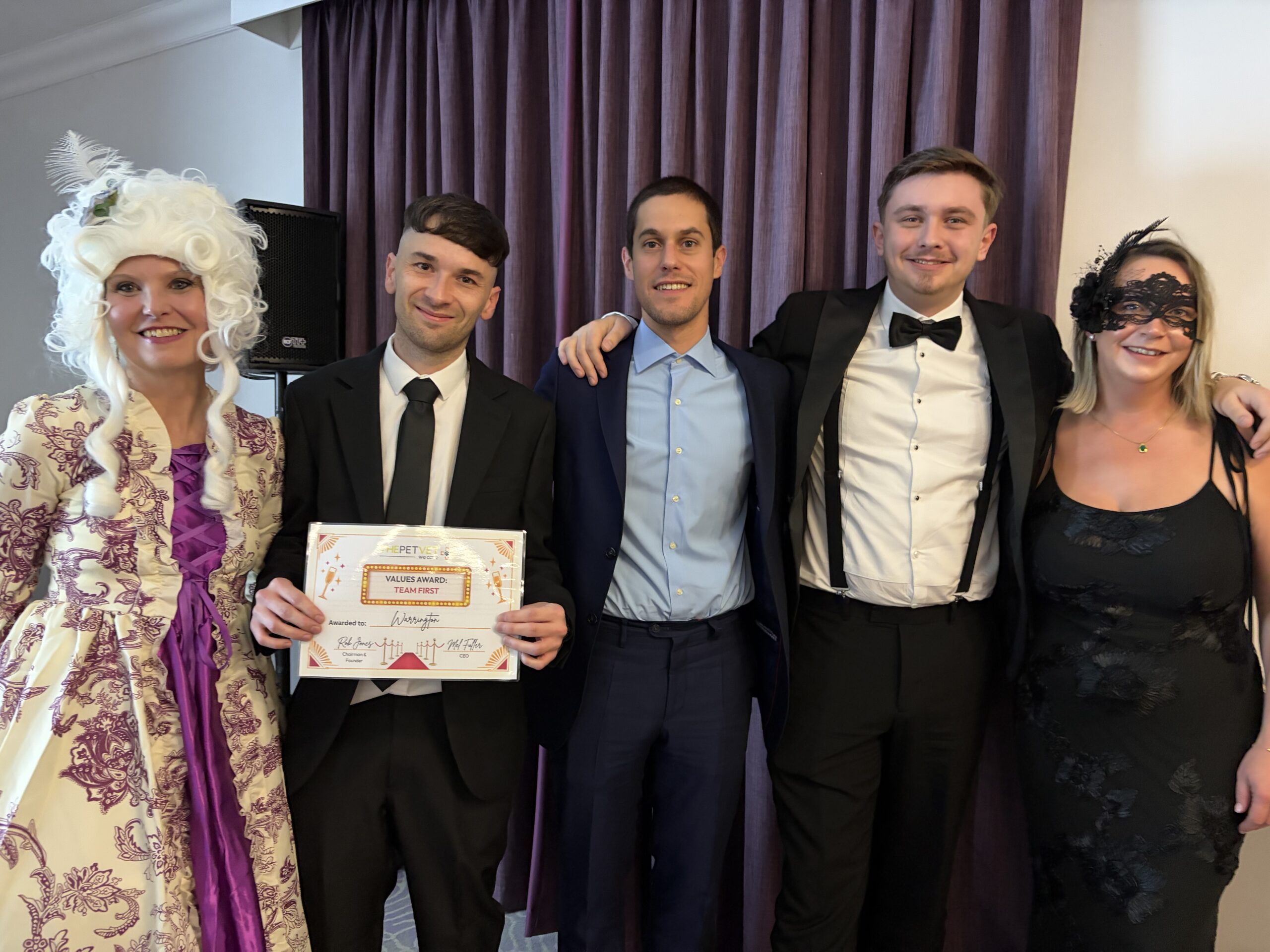
Strive to Thrive: Celebrating leadership, teamwork and 15 years of The Pet Vet
It was a weekend of inspiration, celebration and plenty of laughter as colleagues from across The Pet Vet came together for our 2026 ‘Strive to Thrive’ leadership conference.
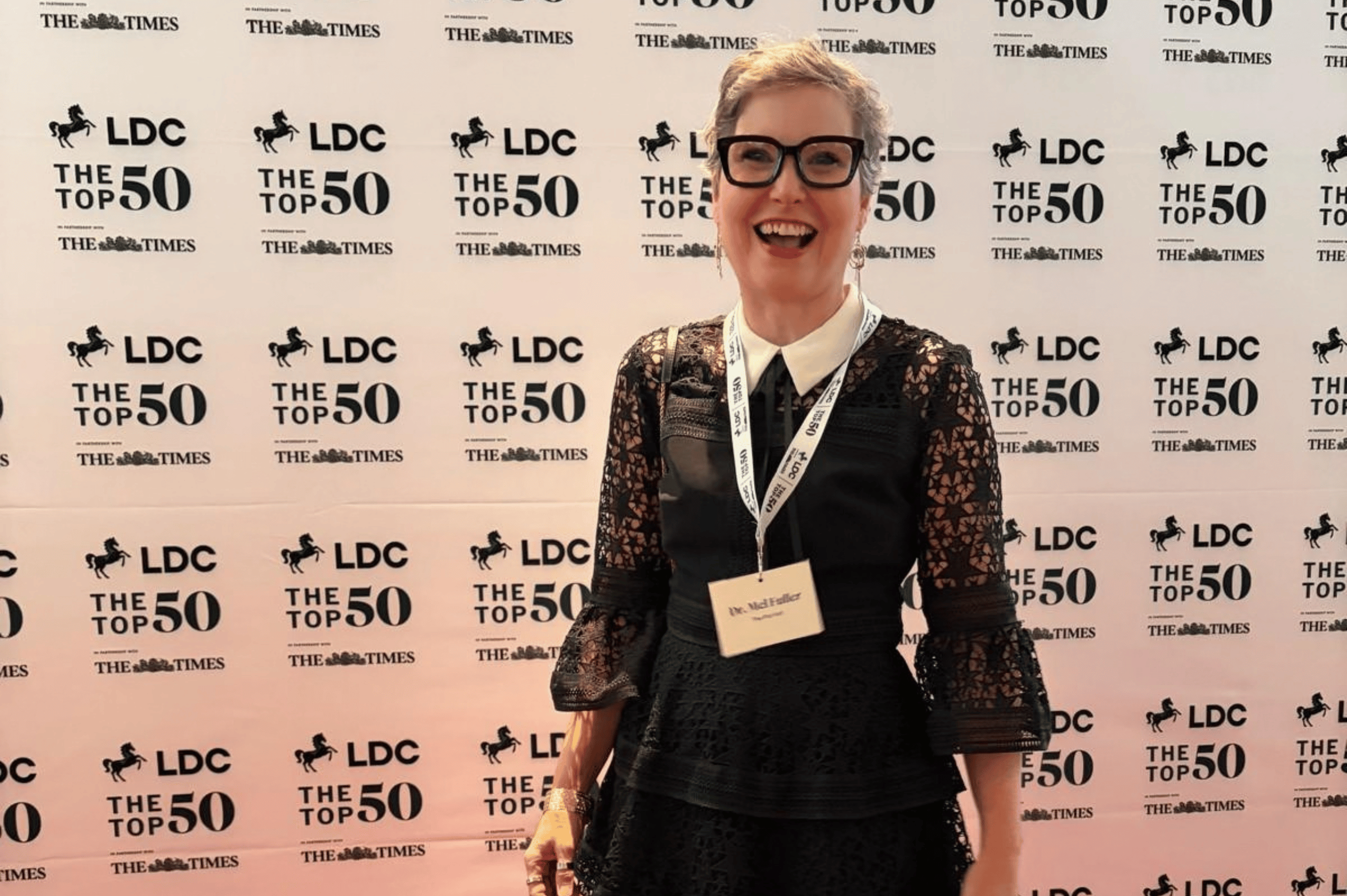
Dr Mel Fuller – CEO at The Pet Vet named one of the UK’s Top 50 Most Ambitious Business Leaders for 2026
We’re delighted to announce our CEO Dr Mel Fuller has been named as one of The Top 50 Most Ambitious Business Leaders, as featured in The Times!
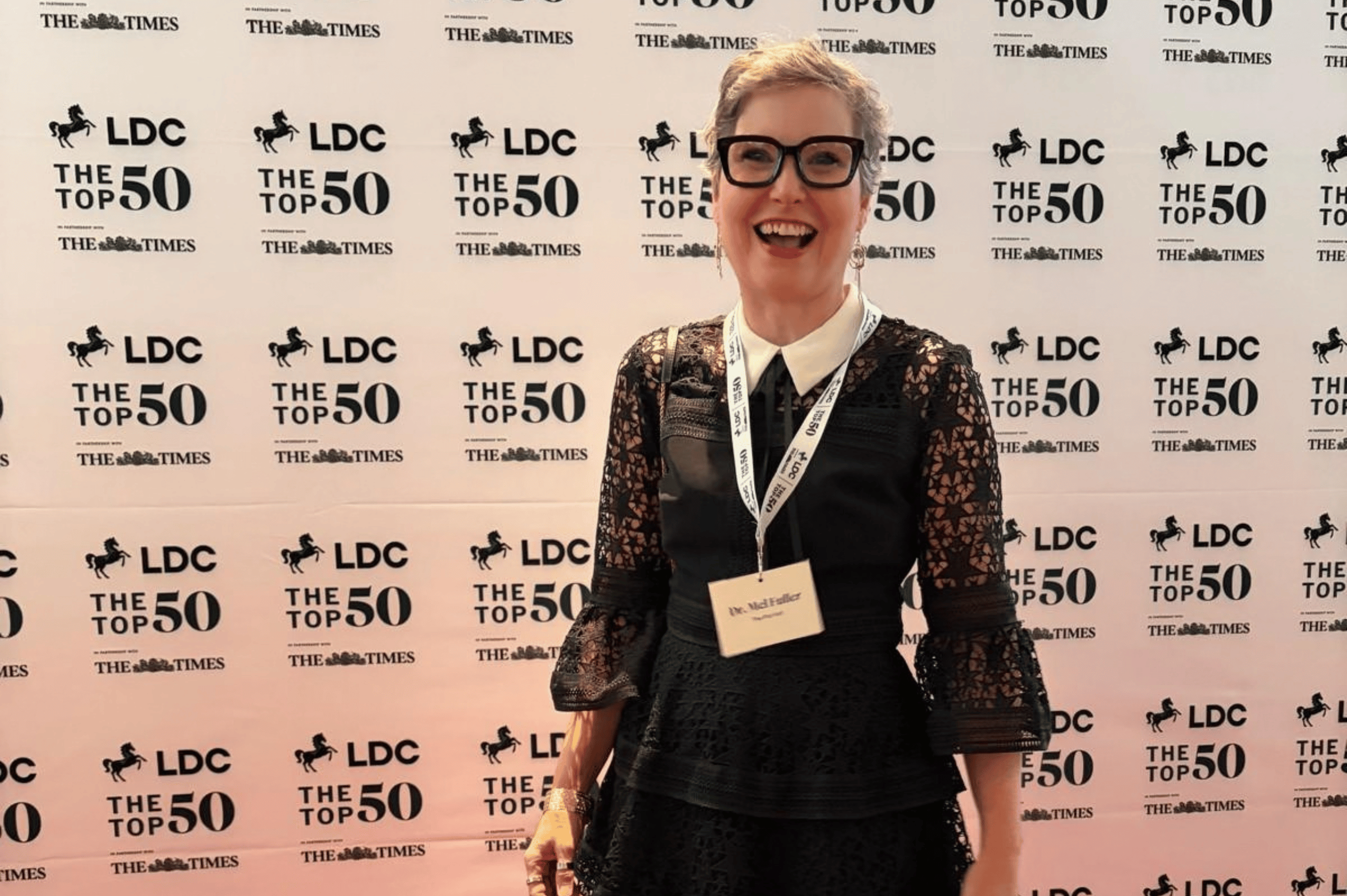
Dr Mel Fuller – CEO at The Pet Vet named one of the UK’s Top 50 Most Ambitious Business Leaders for 2026
We’re delighted to announce our CEO Dr Mel Fuller has been named as one of The Top 50 Most Ambitious Business Leaders, as featured in The Times!
How we’re helping to make pet ownership more affordable
As a family-owned, pet loving veterinary group, we understand the cost of pet ownership, so to help to make it more affordable for your family, we partner with CarefreeCredit to offer 0% finance plans; and provide seasonal offers, Pet Health Plans and 10% discounts.