


Use of parasiticides: making the right choice for your pet
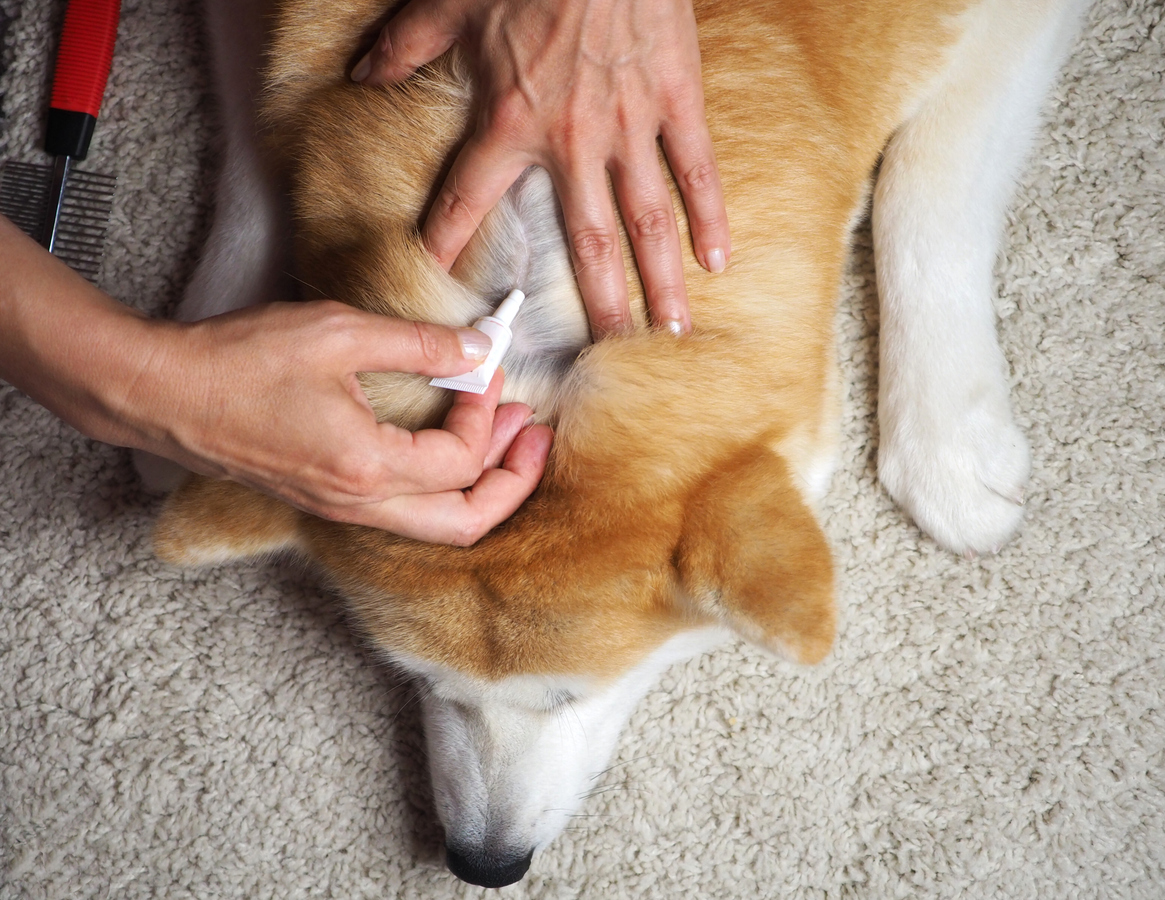
In response to the recent BBC coverage, and aligned with the British Veterinary Association current guidelines, we want to provide some useful information regarding the responsible use of parasiticide products.
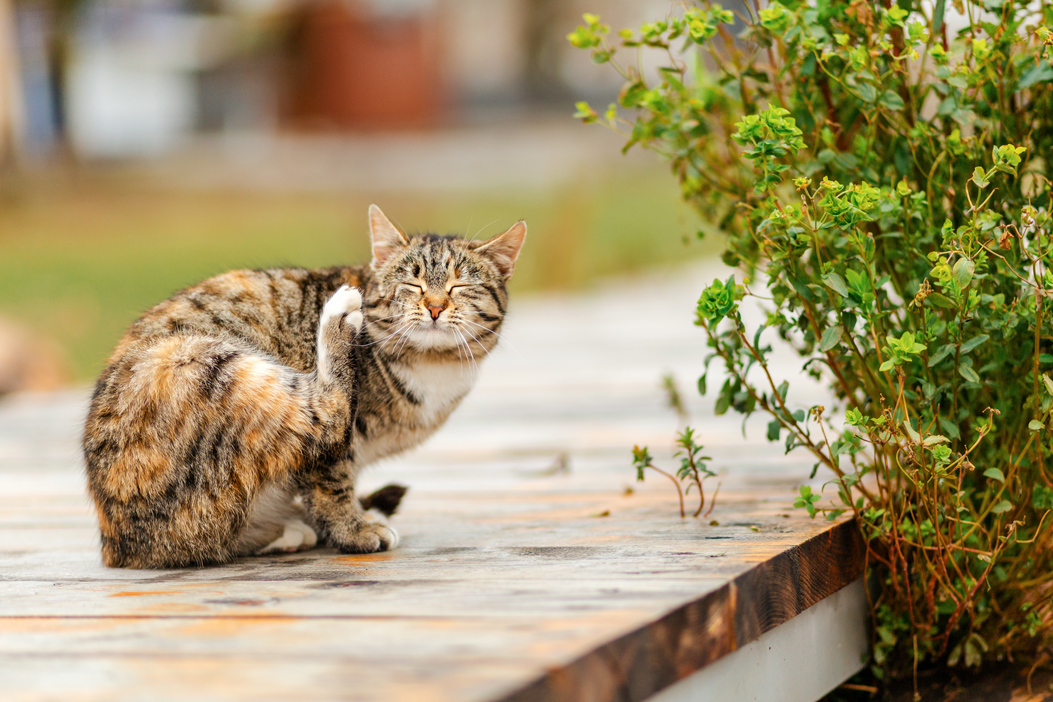
Anti-parasitics protect your pets, your family and your home from infestation of eg fleas, worms, ticks and mites. Some of these parasites can cause serious illness in pets and humans and therefore it is our strong belief that parasiticide products are an essential part of a pet’s preventive healthcare plan. For more information regarding the risks of parasites and protection against them, please read this article here.
There is a range of anti-parasitic products available for pet owners to purchase in the UK
- Some active ingredients being more effective than others.
- Some active ingredients used in pet anti-parasitics are also found in other pest control products, including garden insecticide treatments and agricultural pesticides and these have been subject to scrutiny regarding their environmental impact.
Environmental contamination can arise from a number of different sources, which is why the responsible use and disposal of all pest control products is important. Fortunately, there are a few easy steps you can take to avoid environmental contamination from your pet’s parasiticide products, including:
- Picking up excrement and disposing of this in general waste. This includes outdoor cats who defecate outside.
- Disposing of any fur in general waste when grooming your pet.
- Avoiding the use spot on products for dogs that are frequent swimmers. For these animals, oral products should be given where possible.
We believe that veterinary practices are best placed to help you choose the most appropriate products for your pet’s needs; they can tailor the products to your pet’s age, weight & lifestyle and can guide you on the safe use and disposal. That way, you can be confident that your pet is protected and that you’re minimising any environmental impact.
If you would like to have a discussion with our clinical team regarding your pet’s current parasitic treatment plan, please book an appointment with our team.
More news

Strive to Thrive: Celebrating leadership, teamwork and 15 years of The Pet Vet
It was a weekend of inspiration, celebration and plenty of laughter as colleagues from across The Pet Vet came together for our 2026 ‘Strive to Thrive’ leadership conference.

Dr Mel Fuller – CEO at The Pet Vet named one of the UK’s Top 50 Most Ambitious Business Leaders for 2026
We’re delighted to announce our CEO Dr Mel Fuller has been named as one of The Top 50 Most Ambitious Business Leaders, as featured in The Times!

Dr Mel Fuller – CEO at The Pet Vet named one of the UK’s Top 50 Most Ambitious Business Leaders for 2026
We’re delighted to announce our CEO Dr Mel Fuller has been named as one of The Top 50 Most Ambitious Business Leaders, as featured in The Times!
How we’re helping to make pet ownership more affordable
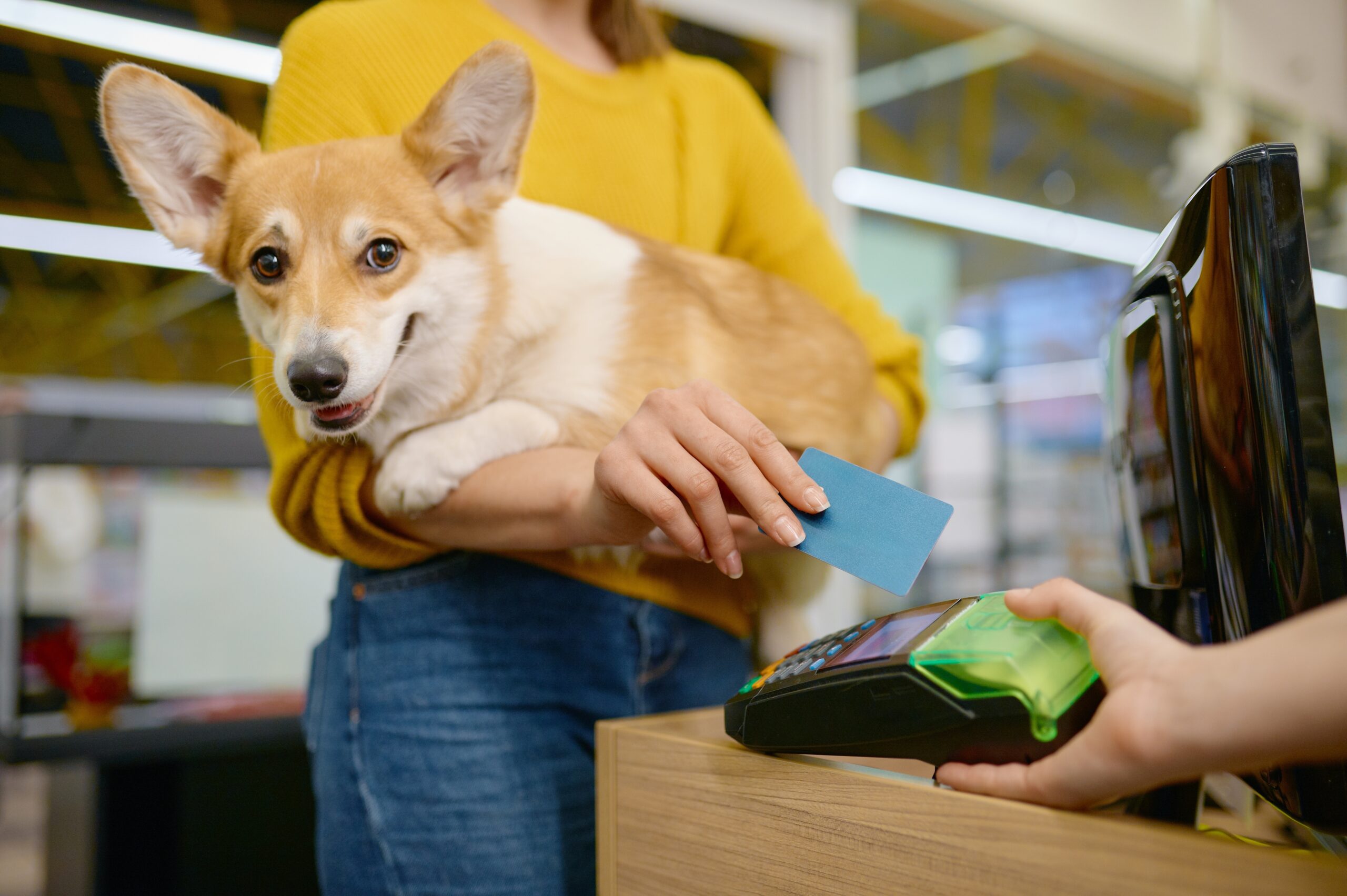
As a family-owned, pet loving veterinary group, we understand the cost of pet ownership, so to help to make it more affordable for your family, we partner with CarefreeCredit to offer 0% finance plans; and provide seasonal offers, Pet Health Plans and 10% discounts.